
Guides
Top 5 Things to Do in London This Week: 5–11 October 2026
Five distinctive London plans for 5–11 October: nocturnal wildlife, underground art, meteors, leftfield pop and a 16mm London Film Festival premiere.
04 Oct 2026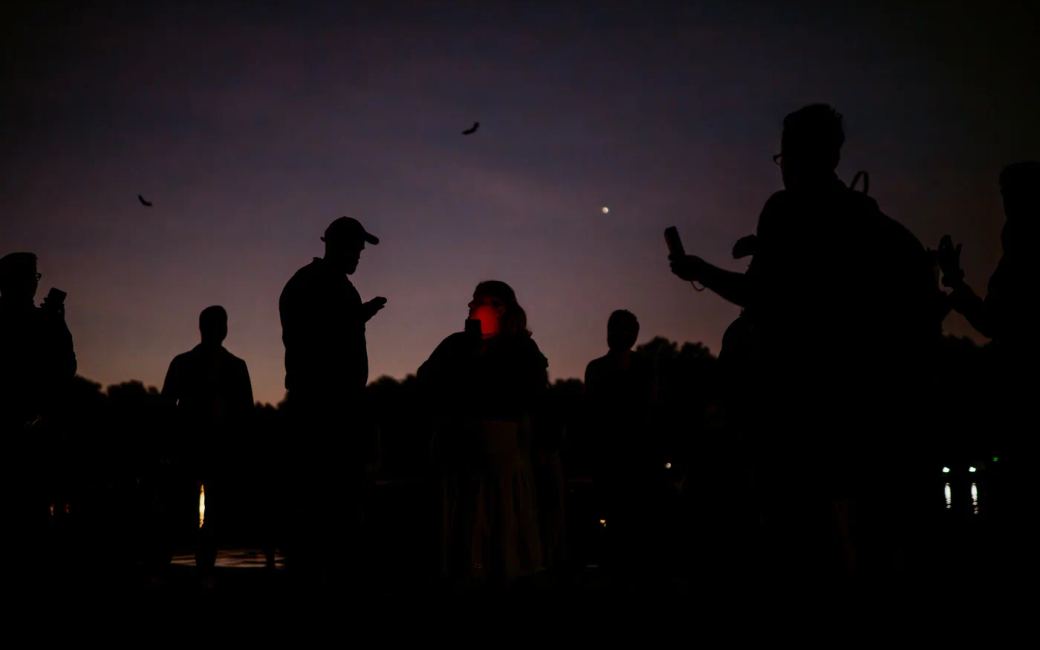
London rewards curiosity this week. You can tune into bats above Regent’s Park, find a defiantly unpolished art world at a secret address, watch the sky for slow meteors, catch a Berlin leftfield-pop project on the day its new record arrives, and end with a nocturnal 16mm film at the London Film Festival. The common thread is simple: each event changes how the city feels after dark.
These five picks run from Monday 5 to Sunday 11 October. Some need advance arrangements; others only ask for warm layers, a clear evening or the willingness to follow a trail. Check the linked listings before travelling, especially where weather or a late-announced location is part of the plan.
1. Listen for bats after closing time in The Regent’s Park
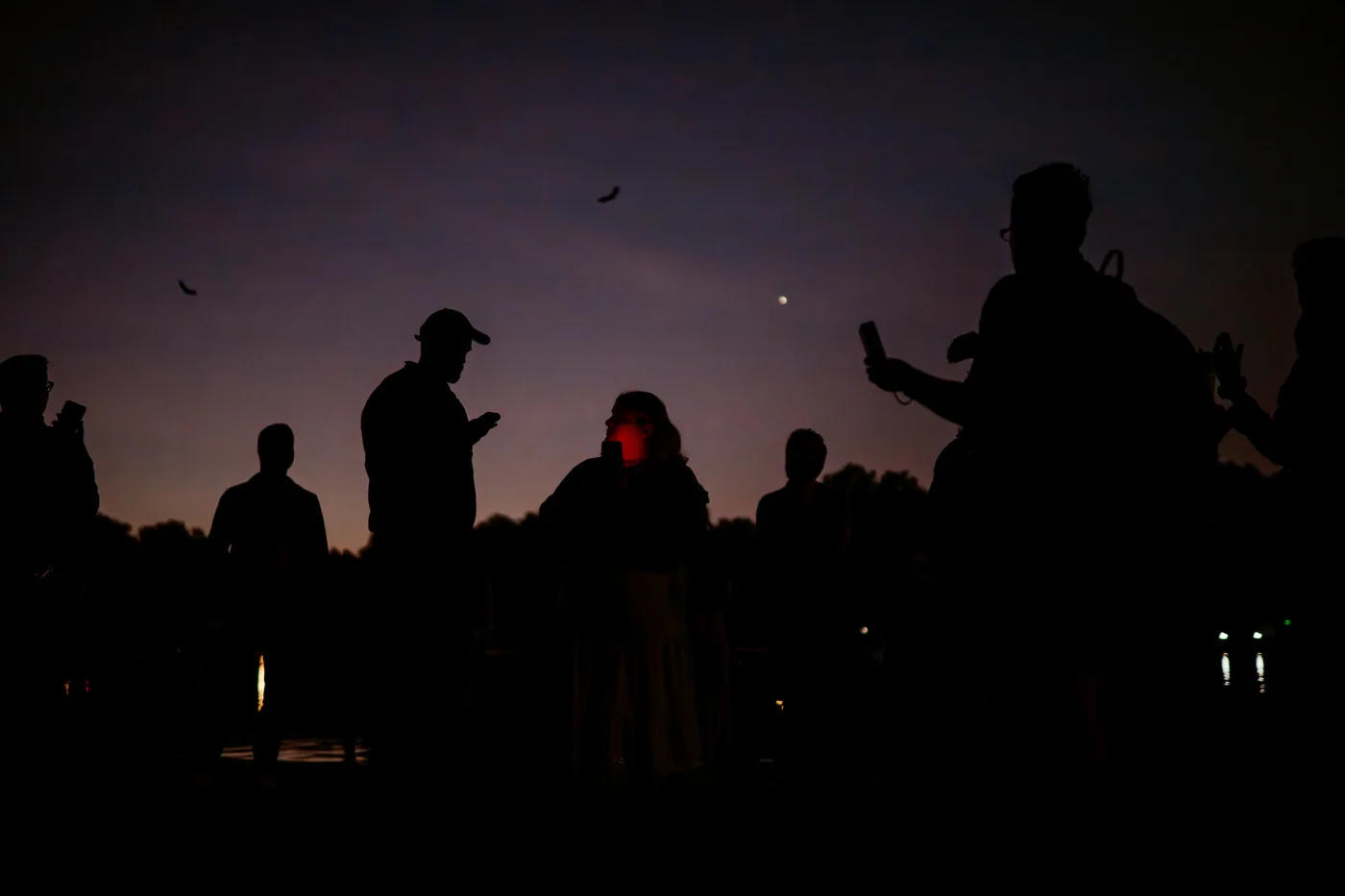
The city’s night shift is easier to hear than to see. On this after-dark walk, Royal Parks staff hand the group bat detectors that translate ultrasonic calls into audible clicks and pulses, turning the park into a live map of feeding routes. The guides also look down as well as up: October is a strong moment for fungi, so the walk moves between airborne hunters and the quieter work of decomposition underfoot.
It is a particularly good way to revisit a landscape that normally reads as ornamental. Once the daytime traffic thins, trees, water and dark corridors become working habitat, and the detectors make ecological relationships tangible without reducing the evening to a lecture. Expect a slow, attentive two hours rather than a wildlife spectacle on cue; bats and fungi keep their own schedules.
When and where: Tuesday 6 October, 6.15–8.15pm, The Regent’s Park and Primrose Hill. The walk is free, but the official listing handles advance attendance arrangements and carries the meeting information. Wear sturdy shoes and bring a waterproof layer. Read the full details on The Royal Parks website.
2. Find 25 years of Temporary Autonomous Art at a secret address
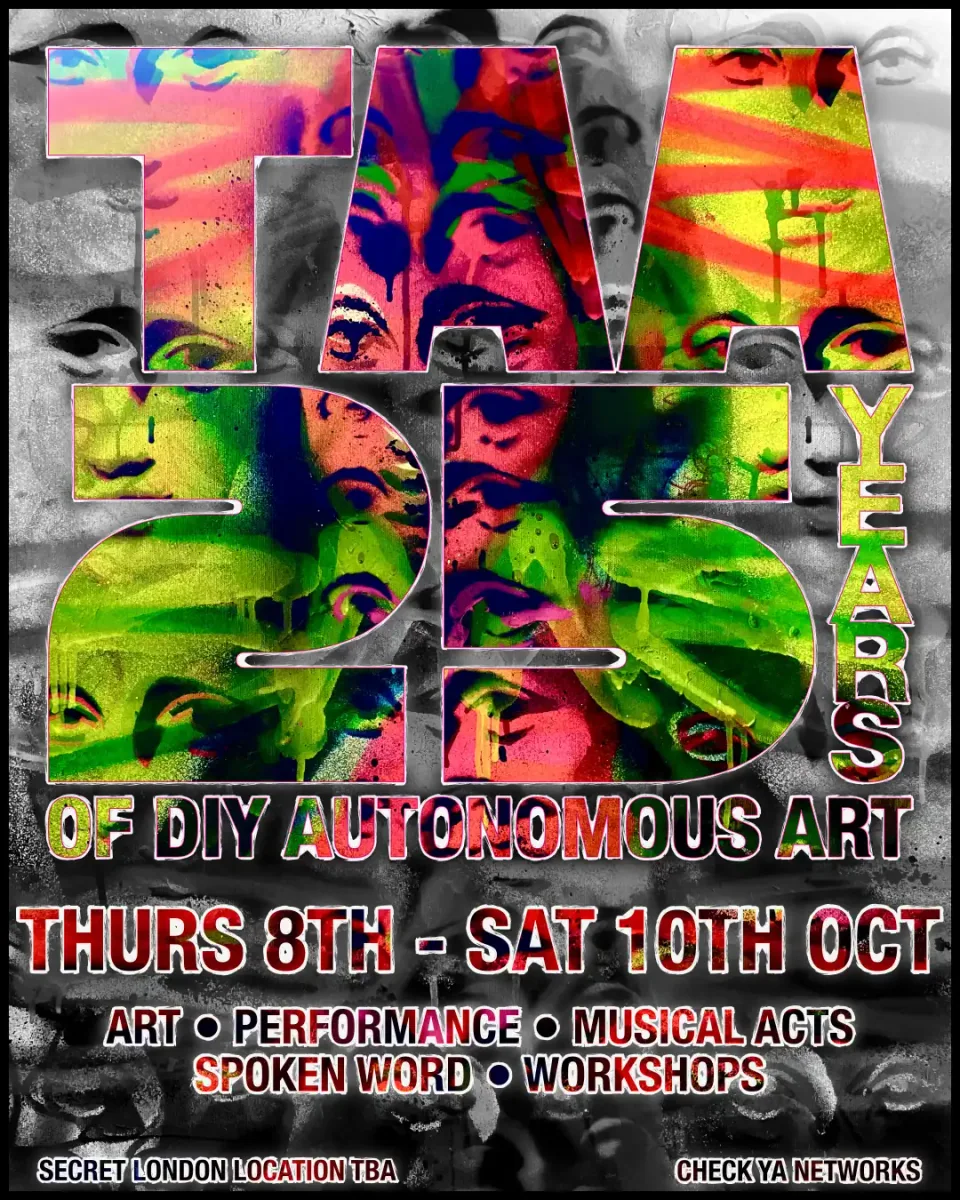
Temporary Autonomous Art has spent a quarter-century treating empty buildings as invitations. Initiated by Random Artists in 2001, its London editions turn overlooked spaces into short-lived social worlds where sculpture, digital work, performance, film, spoken word, workshops and music sit together without the usual velvet rope between artist and audience. The open-access principle matters: first-time exhibitors and experienced makers occupy the same improvised terrain.
The 25th-anniversary edition is a good antidote to Frieze-week polish. Its pleasure is not a neat curatorial thesis but the density of encounters—work appearing in corridors, performances starting around you, conversations becoming part of the architecture. The secret-location format is practical as well as theatrical, allowing the organisers to make temporary use of a space and release details through their own networks.
When and where: Thursday 8 to Saturday 10 October at a secret London location. As of Sunday 4 October, the organisers had not posted the address, opening times or an advance booking link; check the official page and its linked networks before setting out. Follow the Temporary Autonomous Art announcement.
3. Look north-west for the Draconids after nightfall
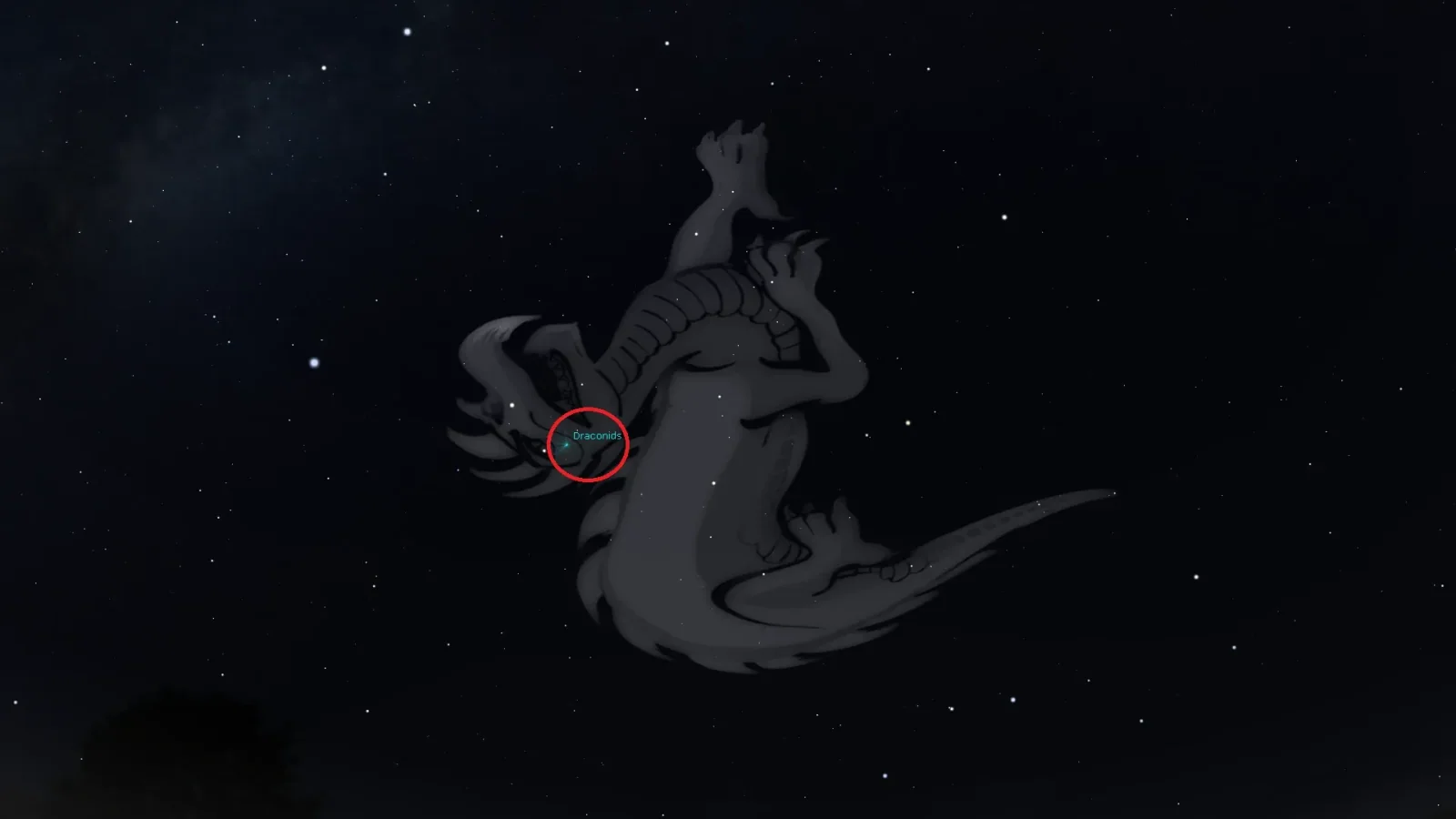
The Draconids are the meteor shower for people who do not fancy an alarm at 3am. Their radiant—the point from which the streaks appear to fan out—sits near the head of Draco and is highest as darkness falls. Royal Observatory Greenwich expects the shower to be active from 6 to 10 October and to peak in the early evening of Friday 9 October, with a typical ideal-sky rate around ten meteors an hour.
That figure is not a promise, especially beneath London’s glow, but 2026 offers a useful advantage: the Moon is only a thin waning crescent and rises close to dawn, so moonlight should not wash out the fainter streaks. The parent comet, 21P/Giacobini–Zinner, has occasionally produced much livelier outbursts, adding a small element of cosmic suspense. No telescope is needed; a wide field of view is better.
When and where: Friday 9 October, from the end of twilight into the evening. Primrose Hill is a practical central viewpoint and is scheduled to remain open until 10pm on Fridays, but any safe, darker place with a broad north-western sky will do. Let your eyes adjust, keep phones dim and check the cloud forecast first. Use the Royal Observatory Greenwich guide.
4. Meet World Brain between soft-focus pop and digital unease
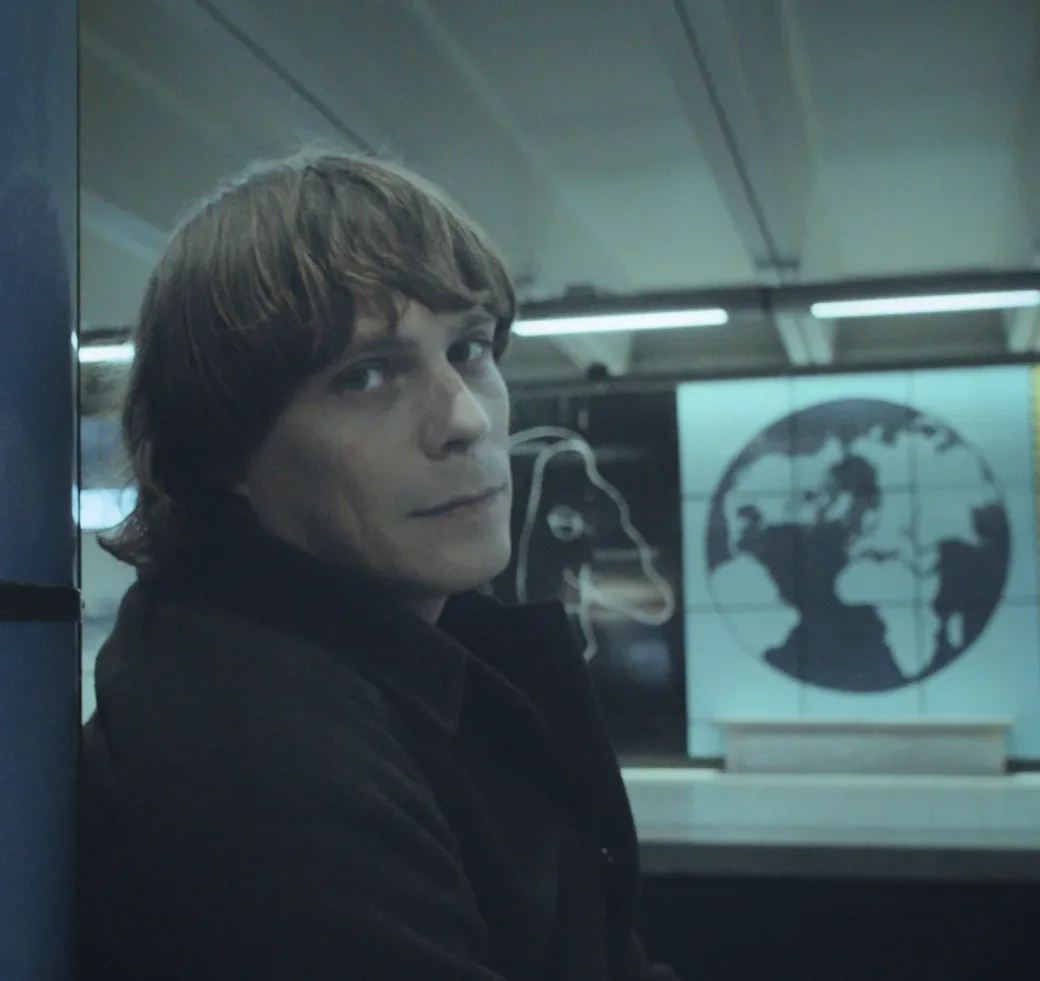
World Brain is the project of Berlin-based French musician Lucas Chantre, a songwriter who approaches pop as both comfort and operating system. His songs can feel weightless—clean guitar, conversational vocals, small melodic hooks—while their ideas circle virtuality, connection and the odd emotional weather of networked life. New EP WORLD VS BRAIN arrives on Friday 9 October, so this London show lands one day after release, when the material is still newly public.
Recent single “Life in theory,” made with Japanese musician Kumisolo, turns those wider questions into a tender love story: a message in a bottle that begins to answer back. Live, Chantre’s balance of deadpan humour and precise arrangements should suit SJQ’s intimate room. Presented by Real Sounds, the night offers the week’s clearest bridge between independent pop craft and ideas that keep unfolding after the chorus.
When and where: Saturday 10 October, doors 7.30pm, SJQ, 10A Bradbury Street, N16 8JN. The event is 14+; under-16s must be accompanied by an adult. Public face-value tickets are £16.38. See World Brain on the Real Sounds event page.
5. End the week inside Beatrice Gibson’s 16mm nocturne
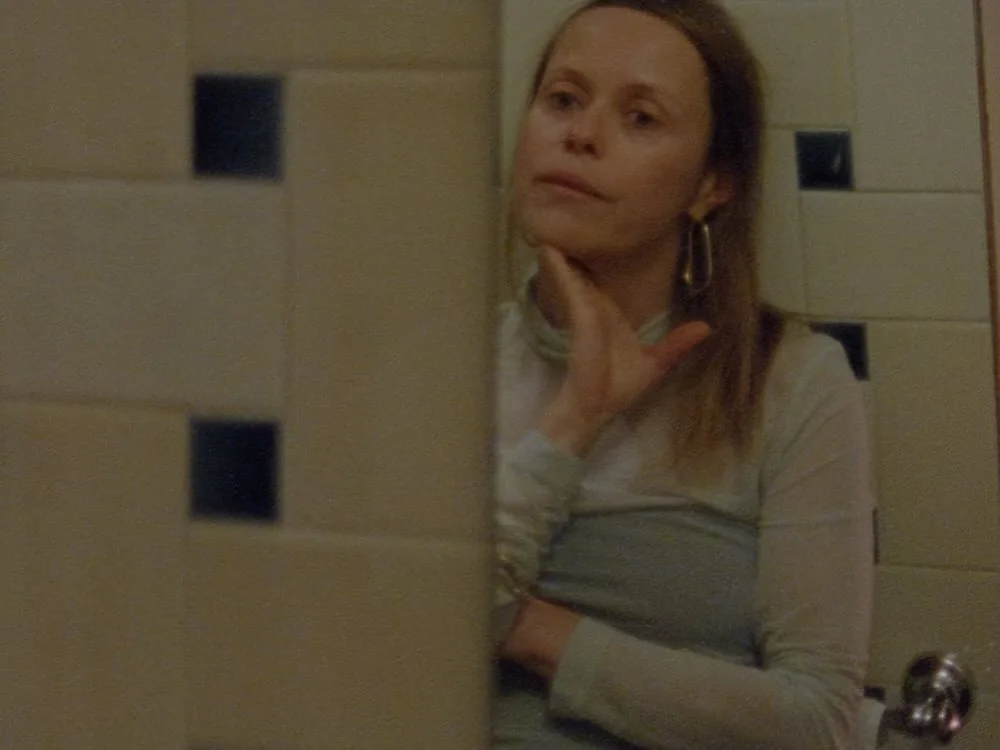
Beatrice Gibson’s first feature, At Night, follows a group of women in their forties through Paris over the course of a single night. Inspired by Alice Notley and other avant-garde poets, it moves through desire, work, motherhood, sexuality and creativity by way of lived encounters and imagined scenes. The multilingual film is less a conventional narrative than a porous gathering of voices, carried by a hypnotic synth score.
The 16mm photography is part of the proposition rather than retro decoration: grain, darkness and passing street light make the city feel provisional, as if the film were discovering its shape at the same time as its subjects. The ICA screening sits within the 70th BFI London Film Festival and gives this intimate, formally adventurous work a fitting home in a cinema built for riskier moving-image culture.
When and where: Sunday 11 October at 6.20pm, ICA Cinema 1, The Mall, SW1Y 5AH. The film runs 87 minutes, is shown with English subtitles and is 18+; the ICA notes a content warning for nudity and offers step-free access. Check the ICA listing for booking and access details.
Choose the plan that changes your sense of scale: the life above the trees, a room rebuilt by artists, dust burning overhead, pop tuned to the present or a whole city held inside one night.